


Event Overview
The New Student Lending (Dis)Order: Strategies for a New Reality.
The U.S. student loan system is undergoing one of its most significant transformations in decades. Federal reforms enacted in 2025, and taking full effect in 2026, continue to reshape how higher education is financed, repaid, and overseen. Driven largely by the One Big Beautiful Bill Act, these changes are redefining federal involvement in student lending, altering repayment structures, introducing new borrowing limits, and shifting portfolio dynamics across the education finance ecosystem.
Against this backdrop, iiBIG’s 17th Annual Education Finance & Loan Symposium brought together leaders from across the education finance sector to examine the challenges, opportunities, and strategic implications shaping the future of student lending.
Centered around the theme “The New Student Lending (Dis)Order: Strategies for a New Reality,” the Symposium explored the dual nature of today’s landscape, disruption and opportunity. Discussions throughout the event addressed policy shifts, market uncertainty, innovation, risk, technology, servicing, and the forward-looking strategies organizations are adopting to navigate an evolving reality with insight and intention.
GOLD SPONSORS

SILVER SPONSORS


CO-SPONSORS



Critical Policy and Market Shifts in 2026
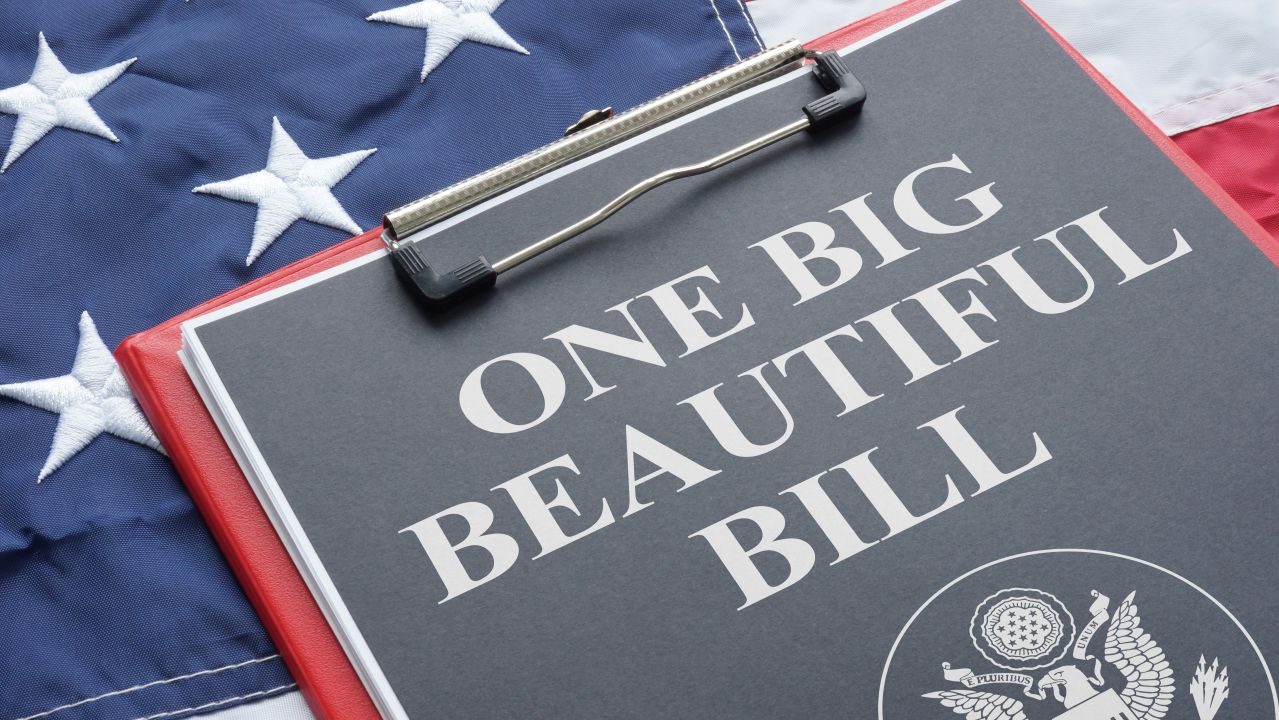
The One Big Beautiful Bill Act introduced sweeping changes that continue to reshape the student finance landscape. Throughout the Symposium, industry leaders examined how these evolving federal reforms are impacting borrowers, lenders, servicers, higher education institutions, and the broader education finance ecosystem.
Topics explored during the event included:
Market Implications
As federal dominance continues to evolve, private lenders, institutional investors, servicers, and public-private partnerships are assuming an increasingly central role in education finance. Throughout the Symposium, discussions explored how these market shifts are reshaping risk underwriting, borrower relationship management, innovation, compliance, and long-term portfolio strategy across the education finance ecosystem.
Implications for Higher Education Institutions
During the event, higher education leaders and industry experts examined the challenges and opportunities institutions are facing in this rapidly changing landscape, including:
Key Takeaways
The 17th Annual Education Finance & Loan Symposium brought together policymakers, lenders, higher education leaders, investors, servicers, and innovators to explore how policy, technology, and market transformation are reshaping the future of student lending.
Across keynote sessions, panel discussions, and strategic conversations, participants examined emerging financing models, evolving regulatory frameworks, portfolio risk management, AI and technology innovation, borrower engagement strategies, and the long-term implications of federal reform across the education finance ecosystem.
At a time when uncertainty continues to redefine the market, the Symposium served as a platform for collaboration, insight-sharing, and forward-looking dialogue focused on navigating the next era of education finance.
Throughout the event, attendees explored opportunities to:
Gain actionable insight into policy developments and market trends
Influence critical policy dialogues and sector priorities
Identify emerging market opportunities
Forge strategic partnerships that will define the next era of student lending
Our sincere thanks to all attendees, speakers, sponsors, and partners whose participation made the symposium a meaningful and successful industry gathering.
Who Attended
iiBIG’s 17th Annual Education Finance & Loan Symposium brought together executive leaders, innovators, policymakers, investors, lenders, servicers, and education finance professionals from across the industry for two days of strategic dialogue, collaboration, and market insight.
The Symposium convened representatives from key sectors across the education finance ecosystem, including:
Private and Institutional Lenders
Executives and strategists redefining the next generation of financing solutions.
Investors and Asset Managers
Leaders navigating the evolving landscape of risk, returns, and emerging market opportunities.
Loan Servicers and Collection Agencies
Decision-makers seeking best practices in borrower engagement, operational efficiency, and regulatory compliance.
Policymakers and Regulators
Influencers and advisors shaping the rules and frameworks guiding student lending and repayment.
Higher Education and Workforce Finance Innovators
Visionaries creating breakthrough solutions to expand access, improve affordability, and strengthen outcomes for students and workers.
iiBIG’s Legacy of Leadership in Education Finance
For over 16 years, iiBIG has served as a trusted national convener, bringing together senior leaders, policymakers, investors, lenders, servicers, and innovators to address the most pressing challenges and opportunities shaping the future of education finance.
The 17th Annual Education Finance & Loan Symposium continued this legacy by providing a high-level platform for strategic dialogue, industry collaboration, and forward-looking discussions focused on the evolving student lending landscape.
Throughout the Symposium, participants exchanged insights, explored emerging opportunities, examined policy and market shifts, and strengthened partnerships across the education finance ecosystem.
Trusted by Industry Leaders Shaping Education Finance in 2025






Get Involved for the 2027 Symposium
Become a Speaker
Apply now to our Executive Speaking Faculty and choose panel topics to present.
Contact Juliana Araujo, President of iiBIG, at julianaa@iibig.com
Sponsorships
For those interested in sponsoring the 2027 symposium, please contact Hank Woji, VP of Business Development , at hankw@iibig.com.
General Information
For general information about the event and media inquiries, contact Juliana Araujo, President of iiBIG , at julianaa@iibig.com
